


Full Description
About the Book
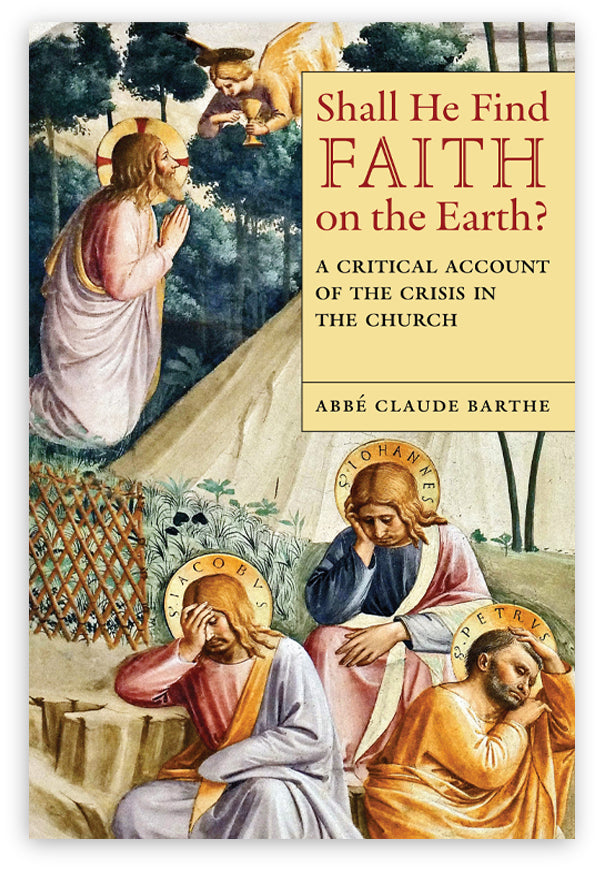
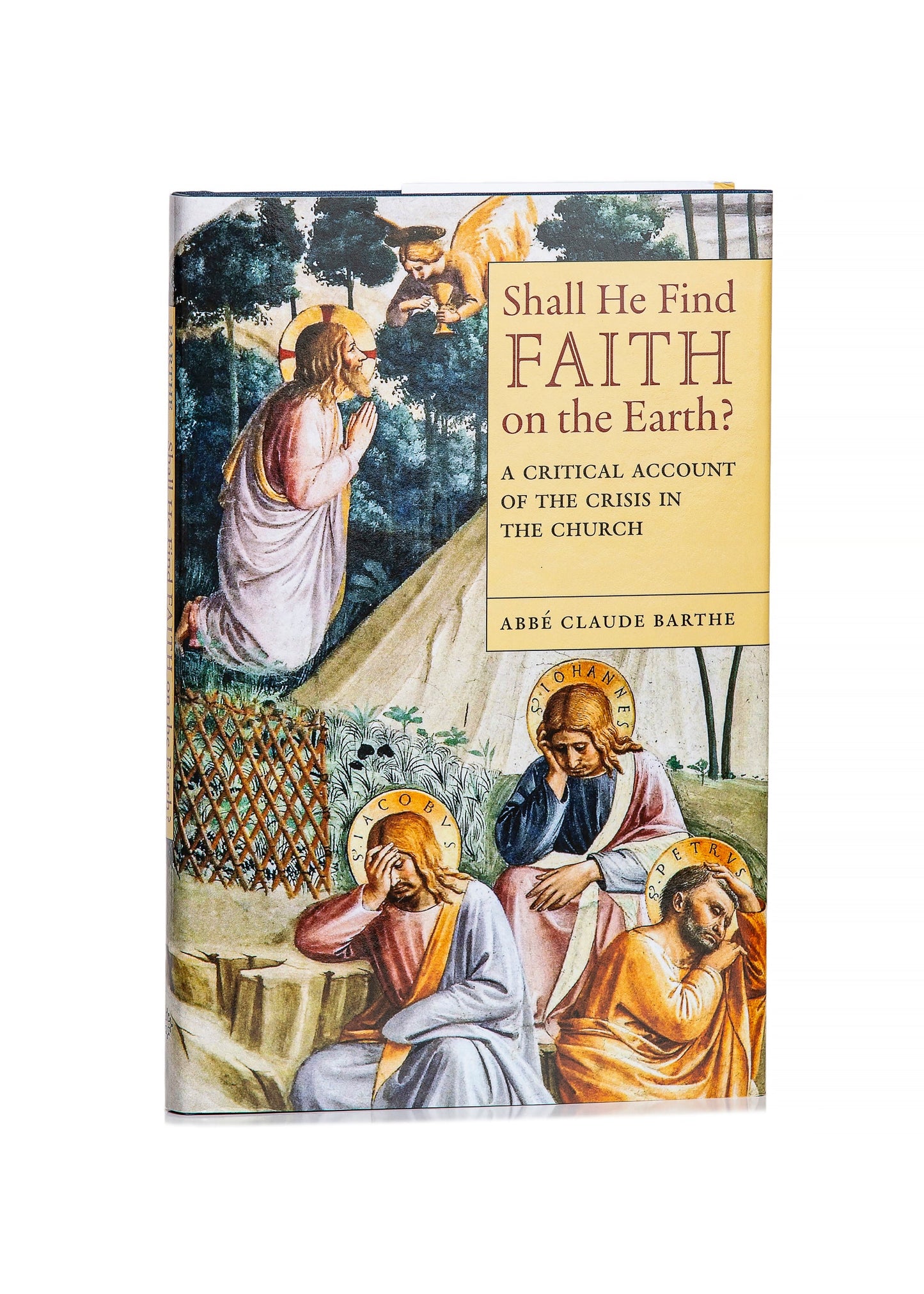
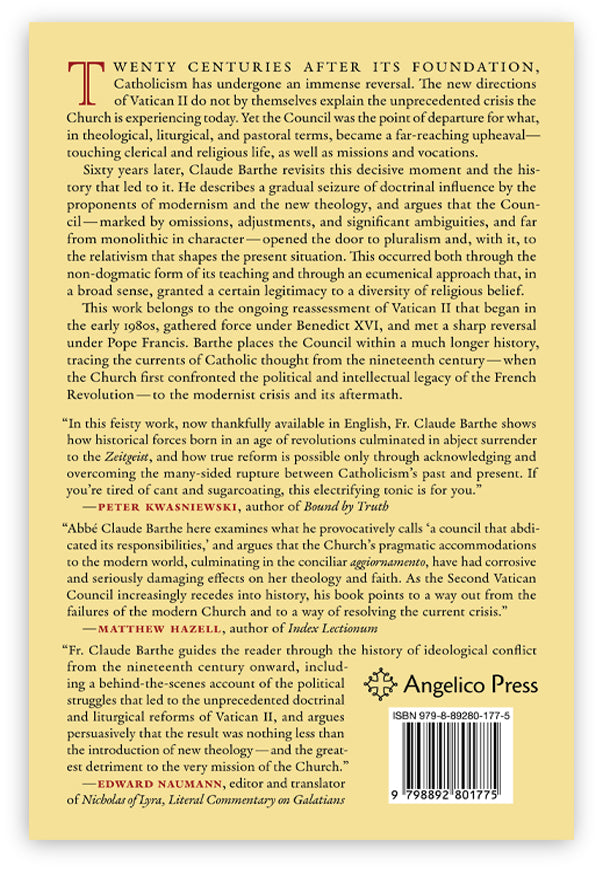
Twenty centuries after its foundation, Catholicism has undergone an immense reversal. The new directions of Vatican II do not by themselves explain the unprecedented crisis the Church is experiencing today. Yet the Council was the point of departure for what, in theological, liturgical, and pastoral terms, became a far-reaching upheaval—touching clerical and religious life, as well as missions and vocations.
Sixty years later, Claude Barthe revisits this decisive moment and the history that led to it. He describes a gradual seizure of doctrinal influence by the proponents of modernism and the new theology, and argues that the Council—marked by omissions, adjustments, and significant ambiguities, and far from monolithic in character—opened the door to pluralism and, with it, to the relativism that shapes the present situation. This occurred both through the non-dogmatic form of its teaching and through an ecumenical approach that, in a broad sense, granted a certain legitimacy to a diversity of religious belief.
This work belongs to the ongoing reassessment of Vatican II that began in the early 1980s, gathered force under Benedict XVI, and met a sharp reversal under Pope Francis. Barthe places the Council within a much longer history, tracing the currents of Catholic thought from the nineteenth century—when the Church first confronted the political and intellectual legacy of the French Revolution—to the modernist crisis and its aftermath.
Praise
About the Author
